
Best Diet for Weight Loss
Mediterranean, low-carb, low-fat or fasting? A practical comparison of popular diets for weight loss, what the trials show, and how to pick one you can keep.
By Pierre Klasson · Last updated 30 October 2026 · Last reviewed 30 October 2026 · 16 min read
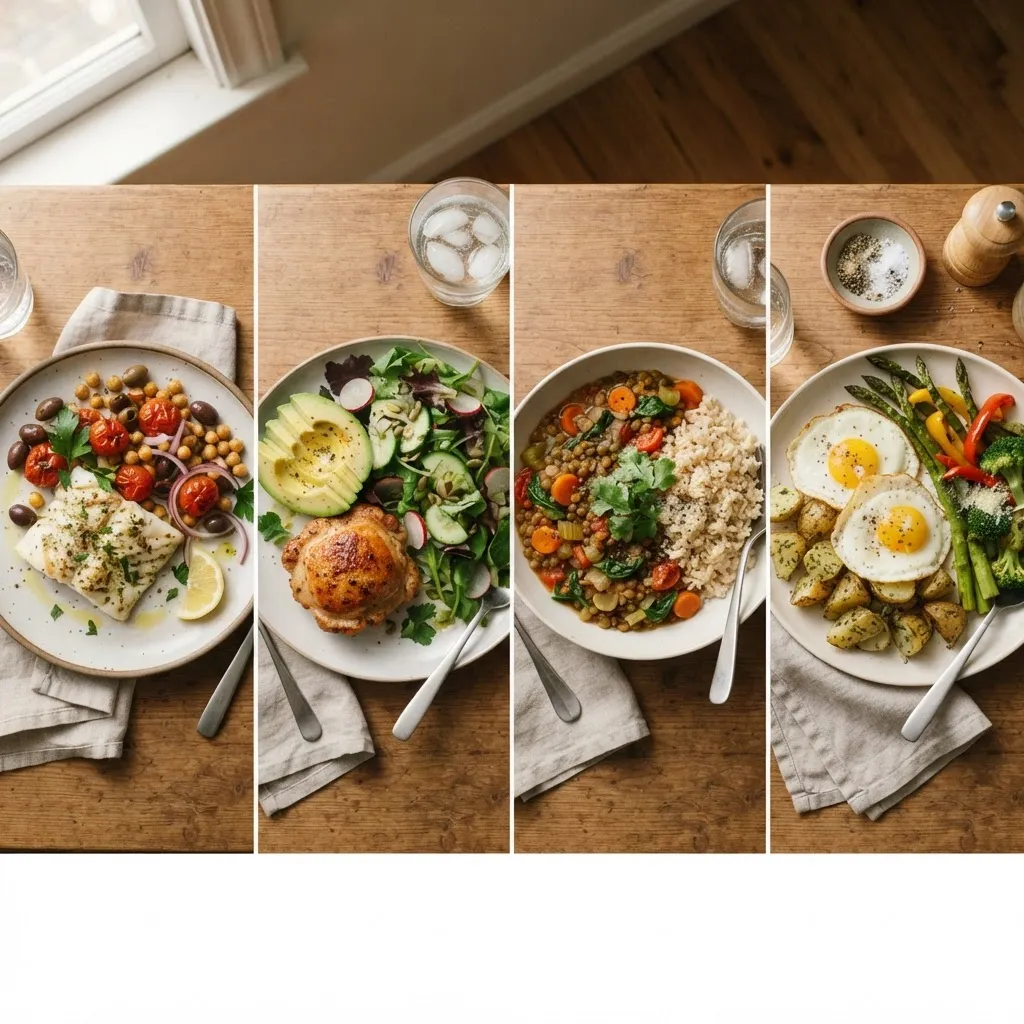
"Which diet should I do?" is probably the question I get asked most. Keto, Mediterranean, 16:8 fasting. People want me to name one.
I can't, because the research doesn't point to one best diet. Most sensible diets work about equally well. Whether one works for you comes down to whether you're still doing it in March.
So this isn't a ranking. It's a practical comparison of the main approaches, what they're good at, where they tend to go wrong, and how to choose one without wasting six months on the wrong fit.
Why There's No Single Best Diet
Researchers have been running diet face-offs for decades. The results keep landing in the same place.
In one of the bigger ones, the POUNDS Lost trial, 811 adults were put on diets with very different mixes of fat, protein and carbs. After two years, the groups had lost roughly the same amount, around 4 kg on average. The diet's makeup mattered far less than how many counselling sessions people turned up to.
An earlier trial compared Atkins, Ornish, Weight Watchers and the Zone head to head. Four diets that could hardly be more different on paper. After a year, weight loss was similar across all four, and in every group the people who stuck to it more closely lost more. Drop-out was high on the strictest ones.
When you pool lots of trials together, you see it again. A 2014 meta-analysis in JAMA looked at named diet programmes and found that low-carb and low-fat diets produced similar losses at 12 months, and that differences between individual named diets were small. A later and even larger network meta-analysis in the BMJ, covering 14 popular diets, found most of them led to modest weight loss at six months, and that much of that difference faded by a year.
So you don't need a secret diet. You need one you can live with.
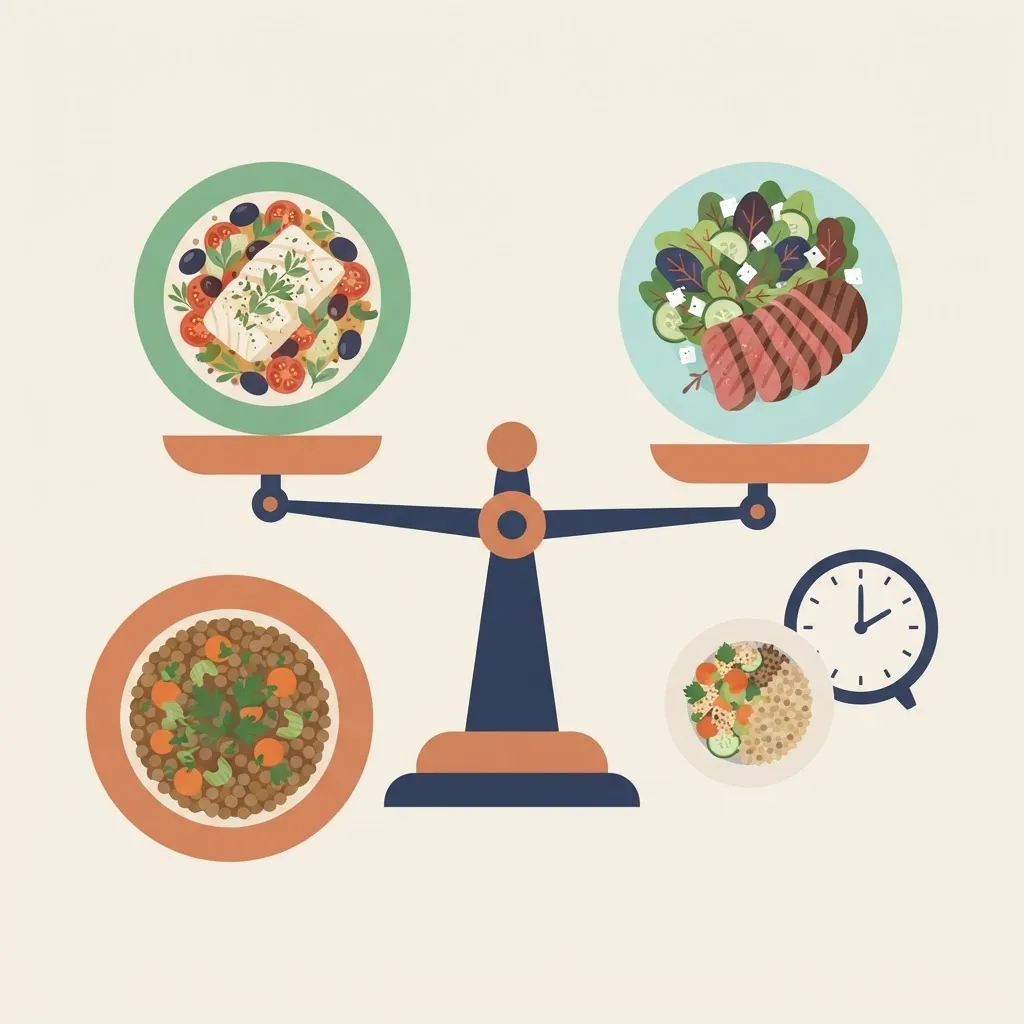
What every working diet has in common
Underneath the names, good diets share a few features:
- They lower total calories, either by counting, by cutting a food group, by shrinking the eating window, or by filling you up on less energy-dense food.
- They cut back on easy-to-overeat foods, like pastries, crisps, sugary drinks and takeaway.
- They add structure. Rules reduce the number of food decisions you make every day, which is half the battle.
- They're more filling per calorie than whatever you ate before.
If a diet does those things, it'll probably work. If it doesn't, no amount of clever marketing will save it.
🔥 Calorie needs calculator
2590 kcal per day to maintain
- Too aggressiveUnder 2090 kcal
Hard to stick to, and you risk losing muscle, energy and nutrients.
- Fat loss2090 – 2290 kcal
A steady deficit of 300–500 kcal: roughly 0.25–0.5 kg a week.
- Maintain2590 kcal
Keeps your weight stable at your current activity level.
- Lean muscle gain2840 – 3090 kcal
A small surplus to build muscle with minimal fat gain.
An estimate, usually within about 10%. Track your weight for 2–3 weeks and adjust. Not for pregnancy or under-18s.
The Main Diets, Compared
If you'd rather watch than read, this 20-minute talk from a Stanford Medicine dietitian covers several of the diets below.
Here's how they stack up side by side, then each one in more detail.
| Diet | How it cuts calories | Good if | Watch out for | Easy to keep? |
|---|---|---|---|---|
| Mediterranean | Whole foods, lots of plants | You like cooking, fish and veg | Oil and nuts add up fast | Easy |
| Lower-carb | Cuts bread, pasta, sweets | You prefer savoury food | Hard socially, low fibre if done badly | Medium |
| Low-fat, plant-forward | Big portions of low-energy food | You are a big eater | Low-fat snacks are a trap | Medium |
| Intermittent fasting | Fewer eating hours or days | You would rather skip a meal | Easy to overeat in the window | Medium |
| Calorie counting | Tracks intake directly | You like numbers | Tedious, portions get guessed low | Harder |
| DASH | Less salt, more fruit and veg | Your blood pressure is high | Needs some planning | Easy |
Mediterranean-Style Eating
This is the one I'd suggest to most people as a starting point, mostly because it's the easiest to live with for years and it doesn't ask you to give up any food group.
It's built around vegetables, fruit, beans and lentils, whole grains, fish, olive oil, nuts and moderate amounts of dairy, with less red meat and fewer sweets. It's how a lot of people around the Mediterranean ate for generations, before snack aisles got as long as they are now.
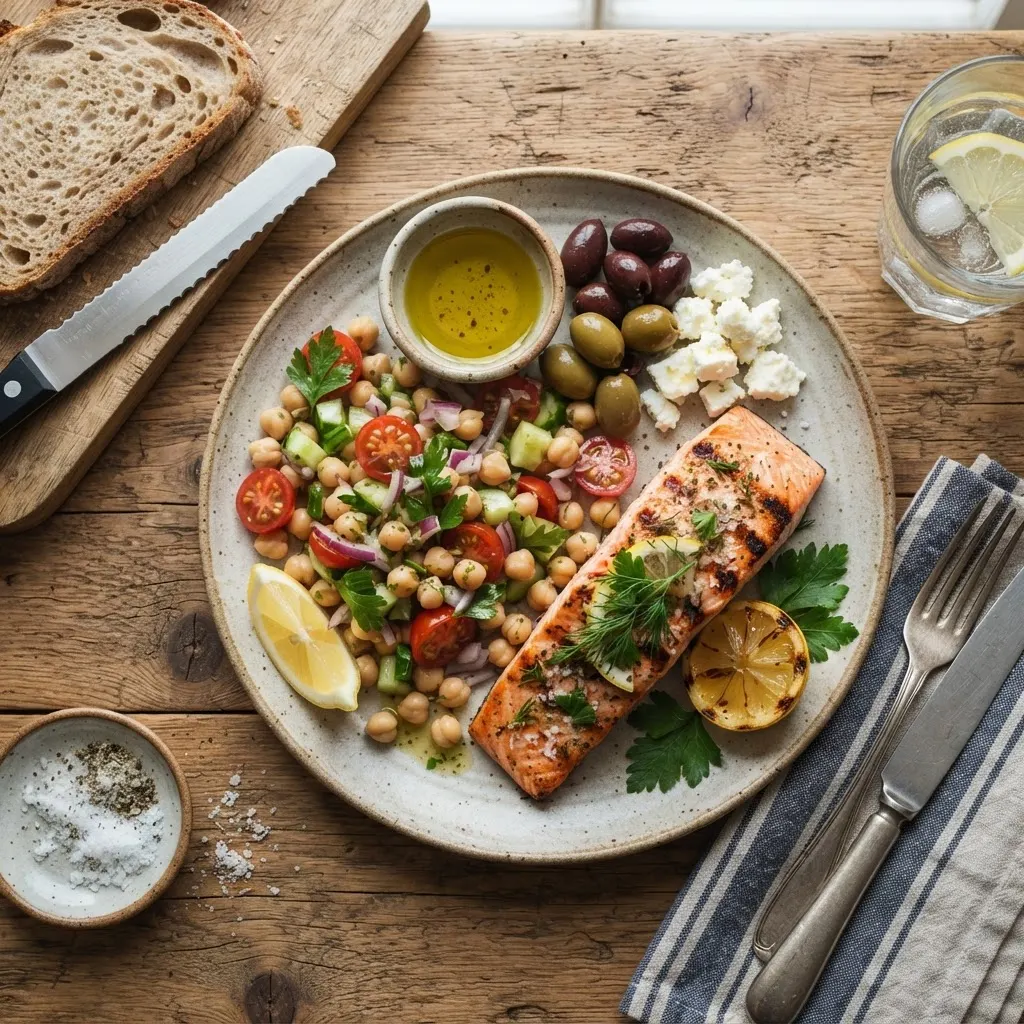
The weight loss evidence is decent, though not dramatically better than other diets. Where it really shines is health beyond the scale. In the large Spanish PREDIMED trial, people at high heart risk who followed a Mediterranean diet with extra olive oil or nuts had fewer heart attacks and strokes than those told to follow a low-fat diet. That's a nice bonus if you're going to eat a certain way for the next decade anyway.
How to make it work for weight loss
The catch is that olive oil, nuts and cheese are calorie-dense. A "drizzle" of oil from the bottle can easily be three tablespoons, which is around 350 calories. I learned this the hard way, wondering why my very healthy-looking salads weren't doing anything.
A few practical tweaks:
- Measure oil with a spoon for a week or two, just to learn what a portion looks like.
- Keep nuts to a small handful, not the bag.
- Make vegetables and beans the bulk of the plate, and treat bread as a side, not a base.
- Have fish two or three times a week. Tinned sardines and mackerel count and are cheap.
It works best if you like cooking and variety. If you need clear rules, it can feel vague. "Eat like a Greek grandmother" isn't much of a plan.
Lower-Carb Diets
Low-carb covers a wide range, from simply cutting back on bread, pasta and sugar, all the way to strict ketogenic diets with under about 50 g of carbs a day.
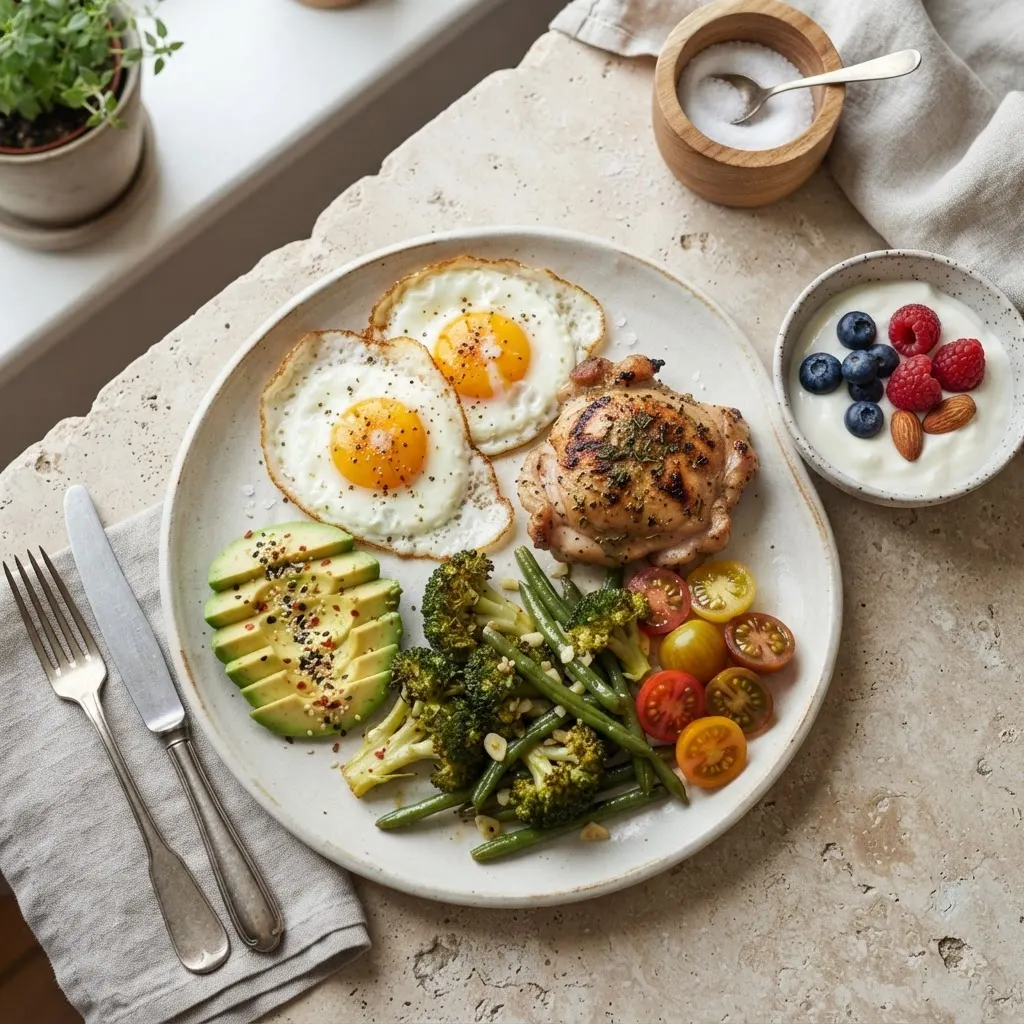
For some people it's genuinely great. If you're someone who can't stop at one biscuit, removing the biscuits entirely can be easier than moderating them. Protein and fat also tend to be filling, so many people find they eat less without trying. Weight usually drops fast in the first couple of weeks, which is motivating, though a good chunk of that early loss is water. Each gram of stored carbohydrate holds water with it, and when your carb stores fall, so does that water.
Over the long run, though, low-carb doesn't come out ahead. In the pooled analyses above, the advantage at six months is small and mostly gone by a year. Kevin Hall's team at the NIH even ran a tightly controlled study where people spent two weeks on a low-fat plant-based diet and two weeks on an animal-based keto diet, eating as much as they wanted. They actually ate around 550 to 700 fewer calories a day on the low-fat diet, although they lost more weight on keto at first, largely from water.
So on keto vs Mediterranean: keto tends to look better on the scale for the first couple of months, Mediterranean tends to be the one people are still eating a year later.
Doing low-carb well
The difference between a good and a bad low-carb diet is huge. Bacon, cheese and processed meat at every meal is not the same as eggs, fish, chicken, Greek yoghurt, piles of vegetables, berries and nuts.
- Keep vegetables high. Low-carb shouldn't mean low-plant.
- Get fibre from veg, seeds, nuts and some beans if your carb limit allows.
- Choose mostly unsaturated fats: olive oil, avocado, nuts, oily fish.
- Expect a few tired days in the first week if you go very low. It usually passes.
Who it suits: people who prefer savoury food, find sweets hard to moderate, or have been advised by their doctor to manage blood sugar.
Who might struggle: people who love bread and pasta, eat out a lot, or train hard and need carbs for performance. And if you take medication for diabetes, speak to your doctor before cutting carbs sharply, since doses may need adjusting.
Low-Fat and Plant-Forward Diets
Low-fat had its moment in the 1990s, then got a bad reputation when shops filled up with low-fat biscuits full of sugar. That version deserved the criticism. A whole-food, low-fat diet is a different thing.
The idea is simple: fat has more than twice the calories per gram of carbs or protein, so cutting it lets you eat a bigger volume of food for the same calories. Think beans, lentils, potatoes, oats, rice, fruit, vegetables, lean fish and poultry, and lower-fat dairy. Big bowls, lots of fibre, not much oil.
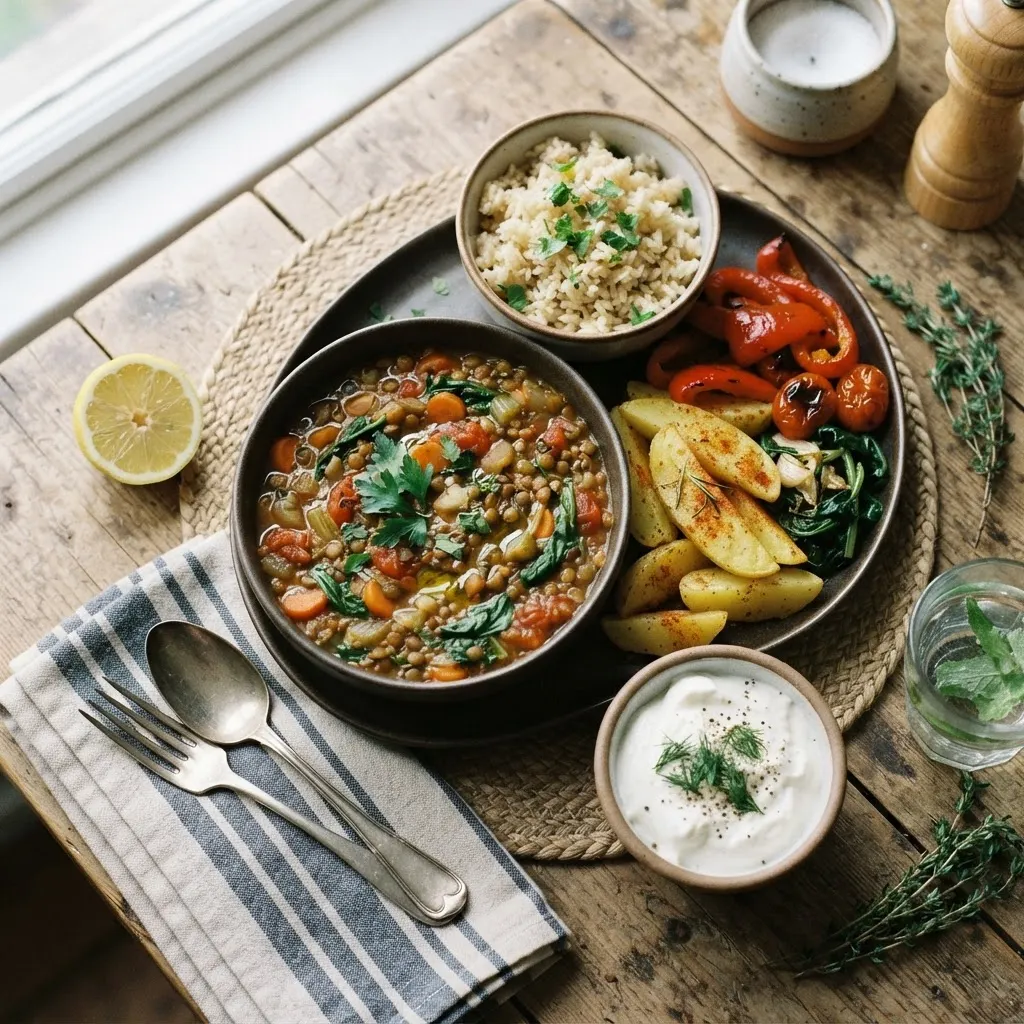
It works roughly as well as low-carb over a year. The Hall study above suggests that, at least in the short term, a high-fibre plant-heavy diet can make people eat less without feeling deprived.
Getting it right
- Build meals on whole carbs: potatoes, oats, brown rice, beans, whole grain bread.
- Use spices, herbs, lemon, vinegar and stock for flavour instead of lots of oil.
- Keep protein up with beans, tofu, fish, chicken, eggs and skyr or cottage cheese.
- Skip the low-fat processed snacks. They're usually not much lower in calories.
Big eaters tend to like this one. If food feels flat to you without some richness, keep a little fat in. A spoon of oil or some cheese makes a meal much more satisfying.
Intermittent Fasting
Intermittent fasting isn't really a diet as much as a schedule. The common versions are:
- Time-restricted eating: eating within a set window, such as 8 hours (the 16:8 method).
- 5:2: eating normally five days a week and around 500 to 600 calories on two days.
- Alternate-day fasting: very low intake every other day.
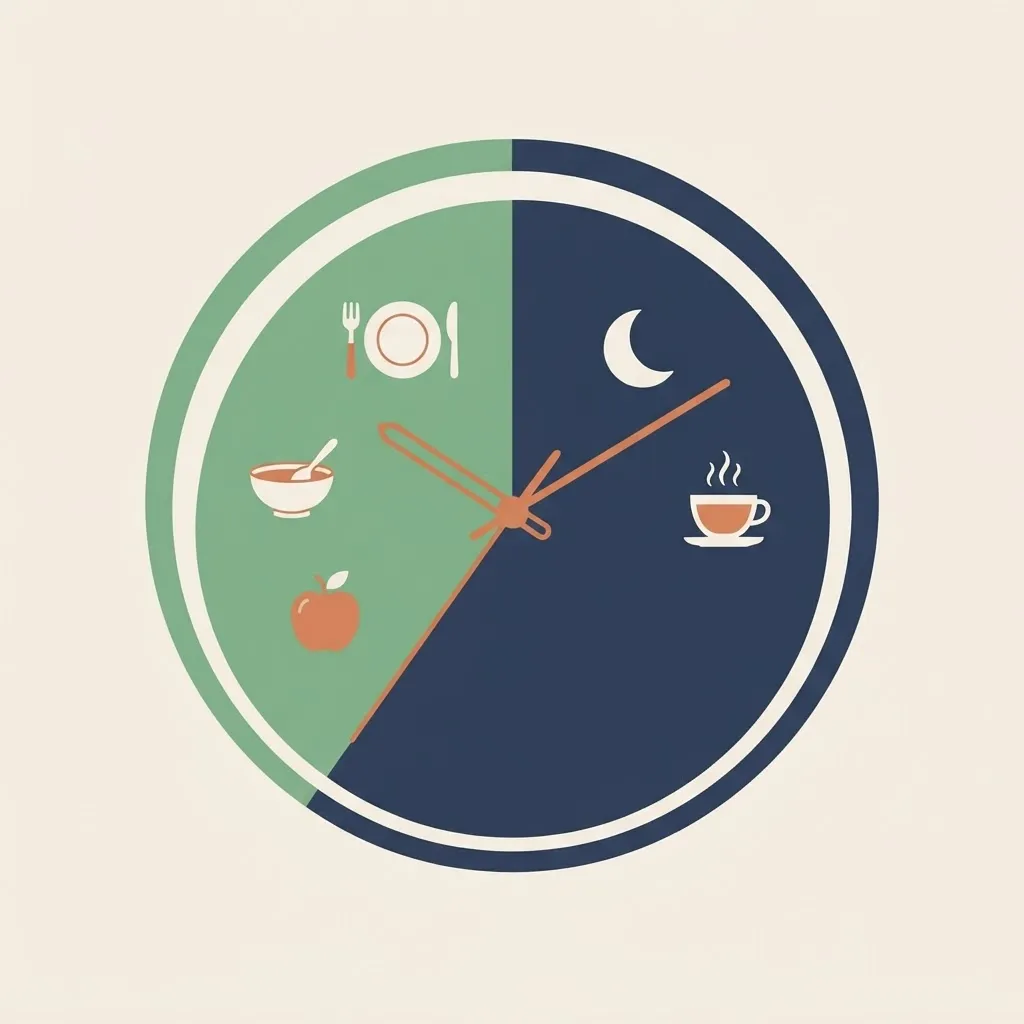
The evidence here is clear and a bit undramatic. In a year-long trial of alternate-day fasting, weight loss was about the same as daily calorie restriction, and more people dropped out of the fasting group. In the TREAT trial, people who ate within an 8-hour window without other changes lost only a tiny amount more than a control group, and the difference wasn't meaningful.
So fasting isn't magic, and it doesn't switch on any special fat-burning mode that beats eating less spread across the day. But that doesn't make it useless. For some people, not eating until noon is far easier than eating a sad small breakfast. If it helps you eat less overall, it works.
Making fasting practical
- Start gently, maybe a 12-hour overnight window, then stretch it if it feels fine.
- Make the meals you do eat proper meals, with protein and vegetables.
- Drink water, tea or black coffee during the fasting hours.
- If you find yourself eating twice as much as usual in the window, it's not saving you anything.
Who it suits: people who aren't hungry in the morning, who like simple rules, or whose evenings are where the snacking happens.
Who should avoid it or check first: anyone with a history of disordered eating, people who are pregnant or breastfeeding, people with diabetes on insulin or blood-sugar-lowering medicine, and teenagers.
Calorie Counting and Flexible Dieting
This is the least glamorous approach and, for a lot of people, the most educational. You set a calorie target, track what you eat, and fit any food into the total. No banned foods, no rules about timing.
The upside is that it teaches you a lot, fast. Most people have no idea how many calories are in their usual lunch until they track it. I certainly didn't. My "light" café lunch turned out to be more than my dinner. Once you know your rough numbers, you can make smarter swaps without needing a diet name at all.
The downside is that it gets tedious, and people underestimate portions. Weighing for a short while and then switching to estimating is a reasonable middle ground. Photo logging is another way to keep it quick, which I wrote about in how to count calories from photos.
🍽️ Meal calorie estimator
Pick foods and enter portions in grams to see how each choice changes the total.
1 breast ≈ 150 g · 248 kcal
1 cup ≈ 180 g · 234 kcal
1 cup ≈ 100 g · 35 kcal
1 tbsp ≈ 14 g · 124 kcal
≈ 641 kcal estimated meal total
Rounded average values per 100 g, based on USDA FoodData Central. Real foods vary by brand and cooking method. This is an illustration, not a measure of any app's scan accuracy.
If you like data, it's great. If numbers make you anxious or obsessive, pick something simpler.
DASH and Other Balanced Patterns
DASH stands for Dietary Approaches to Stop Hypertension. It was designed to lower blood pressure, not to lose weight, but it overlaps a lot with the Mediterranean pattern: plenty of fruit, vegetables, whole grains, beans, nuts and low-fat dairy, with less salt, red meat and sugary food. The NHLBI's guide to DASH gives daily servings for different calorie levels, which makes it easier to use for weight loss than vaguer advice.
Similarly, national guidance such as the Dietary Guidelines for Americans describes balanced patterns that work for weight loss when portions are reduced. They're not exciting, but they're solid, cheap and flexible.
It's a good pick if your blood pressure is on the high side.
What About Rapid Weight Loss Diets?
Very low calorie diets, meal-replacement shakes and short "rapid" plans come up a lot. They can work. In some medical programmes, especially for type 2 diabetes, they're used deliberately and with good results.
But the word that matters is supervised. Eating very little brings real risks: gallstones, dizziness, low energy, muscle loss, and a high chance of rebound once normal eating resumes. Doctors usually recommend a pace of around 0.5 to 1 kg a week for most people, as Mayo Clinic's weight loss advice also suggests. So if you're looking for the fastest diet to lose weight, the honest answer is that fast and lasting rarely go together. If you want to try something faster, do it through your doctor, not a social media plan.
Juice cleanses, detox teas and single-food diets (cabbage soup, grapefruit, and so on) are a different story. They lose mostly water and muscle, and the weight comes back. I'd skip them.
The Building Blocks That Matter More Than the Label
Whichever diet you pick, a few things make it work better. I'd put more effort into these than into choosing between keto and Mediterranean.
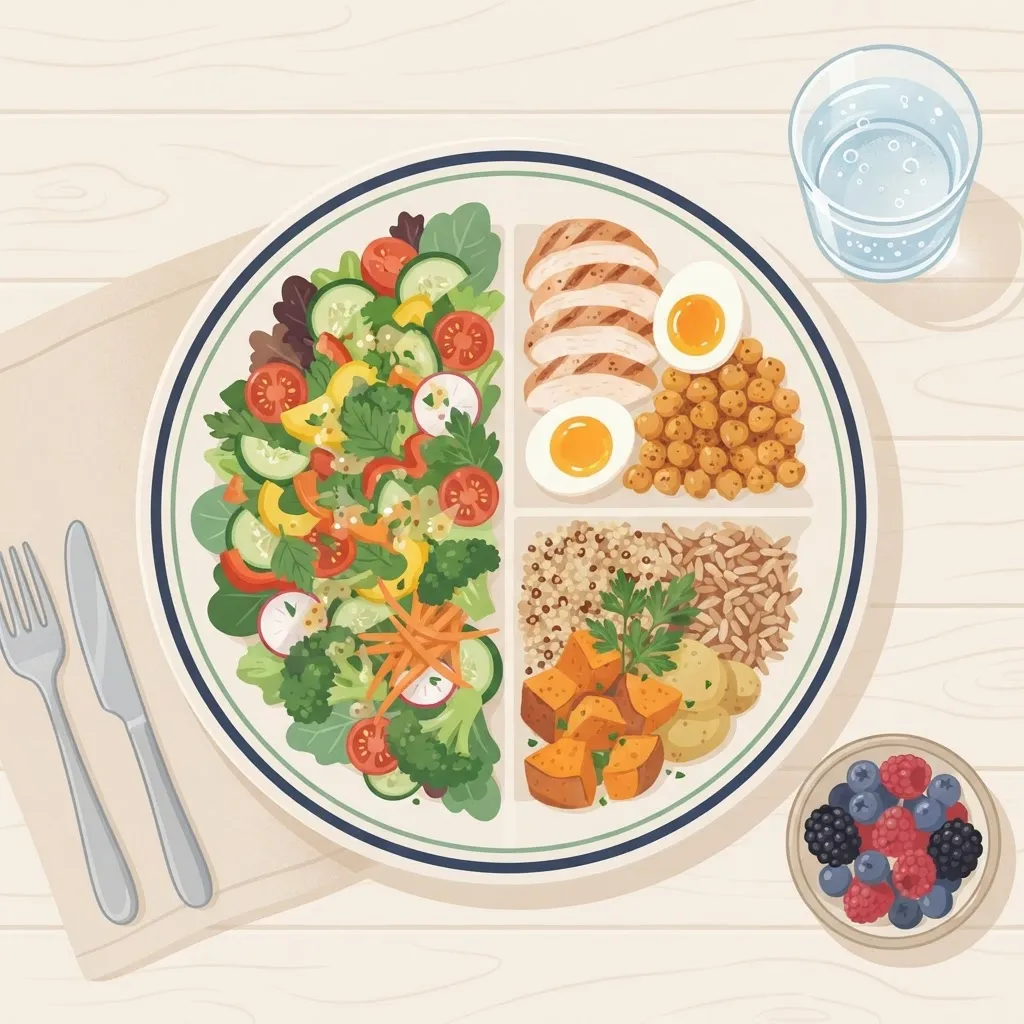
Protein at every meal
Protein is the most filling of the three macronutrients, and it helps you hold on to muscle while you lose fat. In one carefully controlled study, raising protein to 30% of calories led people to eat about 440 fewer calories a day without being told to, and they lost weight over the following weeks.
A palm-sized portion at each meal is a good rough guide. Eggs, Greek yoghurt, skyr, cottage cheese, fish, chicken, tofu, beans and lentils all count.
📊 Protein calculator
120–165 g protein per day
About 30–41 g per meal over four meals.
Vegetables, fruit and fibre
These help you feel full on fewer calories. A big pile of roasted vegetables or a large salad takes up room on the plate and in your stomach. Fibre from beans, oats, whole grains and fruit slows digestion and helps keep hunger steadier.
Fewer liquid calories
Juice, soft drinks, sweet coffees and alcohol add up quickly and don't fill you up. Cutting back here is often the easiest single change, no matter which diet you follow.
Mostly whole foods
You don't need to be perfect. But meals built from things that look like food, rather than things in crinkly packets, are harder to overeat. That's one reason so many different diets work: they all quietly cut out a lot of ultra-processed food.
Room for food you love
Banning your favourite foods usually ends in a binge. Plan them in. A slice of cake on Saturday that you actually enjoy is better than a week of white-knuckling followed by half the cake at midnight.
How to Choose Your Diet
This is roughly how I'd go about it.
1. Look at what you already eat. Which diet asks for the fewest changes? If you already love fish and vegetables, Mediterranean is a short step. If breakfast is something you eat out of habit rather than hunger, time-restricted eating might be easy.
2. Be honest about your weak spot. Is it evening snacking? Sweets? Big portions? Drinks? Pick the approach that targets that. Low-carb helps with sweets, fasting helps with late snacking, high-volume plant eating helps big eaters.
3. Think about your life, not just your plate. Do you eat with family? Travel a lot? Have a tight budget? A diet that means cooking separate meals for yourself will likely not last.
4. Check your health first. Some conditions point you toward or away from certain approaches. Diabetes, kidney disease, heart conditions, pregnancy and a history of eating disorders all need a conversation with your doctor.
5. Try it for four weeks. Not four days. The first week is always weird. After a month, ask yourself:
- Am I less hungry, or about the same?
- Do I still like most of what I'm eating?
- Could I imagine doing this in six months?
- Is my weekly average weight drifting down, even slowly?
Mostly yes? Keep going. Mostly no? Try something else. That's not failing.
Not sure where to start with numbers? Pick your goal below and you'll get a starting calorie target, a protein number, a diet style that fits your weak spot and three things to do first.
🎯 Your personal plan
Daily calories
1570 kcal
Daily protein
130 g
Expected pace
About 0.3–0.5 kg a week
Diet style to try first
Mediterranean-style eating
It asks for the fewest sacrifices, bans no food group and is the easiest to keep for years. Watch the oil and nuts, they add up. Give it four weeks before you judge it.
Read how to do mediterranean-style eating →Your first two weeks
- Protein at every meal, about a palm-sized portion.
- Swap one sugary drink or snack a day for water or fruit.
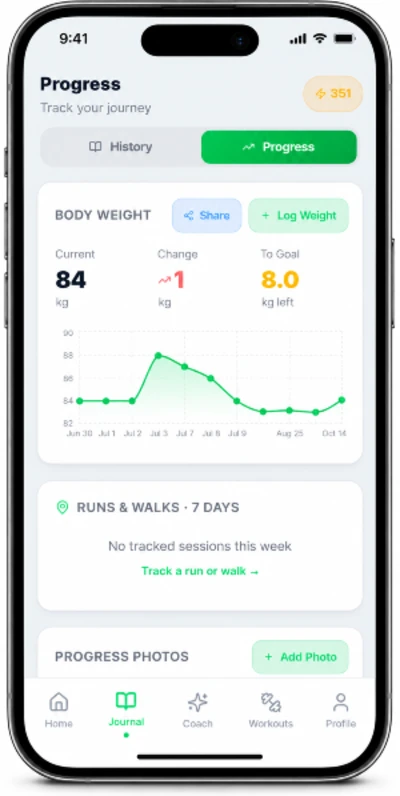
- Weigh yourself 3–4 mornings a week and watch the weekly average, not single days.
Based on an estimated 1970 kcal a day to maintain. It's a starting point, so adjust after 2–3 weeks. Not medical advice; check with a doctor if you're pregnant, have a health condition or take medication.
Logging helps a lot in that first month. If you use Navilo Health, you can snap a photo of each meal and keep your weight, meals and workouts in one place, so it's easier to see if your diet is working.
Common Mistakes When Starting a Diet
Going too hard on day one. Overhauling everything at once burns people out. Start with two or three changes and add more as they become habits. If you want a simple diet plan for beginners, it's this: protein at every meal, half the plate vegetables, water instead of sugary drinks. Do that for a month first.
Cutting calories too far. A huge deficit feels productive but makes you hungry, tired and grumpy, and it costs muscle. A modest one lasts. My weight loss and fat burning guide goes into how big a deficit makes sense.
Judging by single weigh-ins. Water, salt and hormones move the scale up and down by a kilo or two every day. Look at weekly averages.
Forgetting the extras. Cooking oil, sauces, milk in coffee, bites while cooking. None of them is a problem on its own, but together they can wipe out a deficit.
Copying someone else's diet. Your colleague's keto success says nothing about whether it suits you. Different bodies, different lives, different taste buds.
Treating the diet as temporary. If you go back to your old eating the day you hit your goal, the weight comes back. Choose something you can loosen gently into maintenance, rather than something you'll be desperate to escape.
Who Should Talk to a Doctor First
This guide is for generally healthy adults. Please speak to a doctor or registered dietitian before changing your diet if any of these apply:
- Pregnancy or breastfeeding. This isn't the time for calorie restriction or fasting.
- Diabetes, especially if you take insulin or tablets that lower blood sugar. Low-carb diets and fasting can push your blood sugar too low unless your medication is adjusted.
- Kidney disease. High-protein diets may not be suitable.
- Heart disease or blood pressure medication. Weight loss can change what you need.
- A history of eating disorders. Tracking, fasting and strict rules can be harmful. Organisations such as Beat in the UK or NEDA in the US offer confidential support.
- Teenagers and older adults. Growing bodies and ageing muscles both need careful handling.
It's also worth seeing a doctor if you're losing weight without trying, or if you feel unwell after changing your diet.
The Bottom Line
The best diet for weight loss is a way of eating you can keep doing on a busy Tuesday, at a friend's birthday and on holiday. Pick one that fits you, build it on protein, plants and whole foods, give it a fair trial, and adjust as you go.
This article is for general information and isn't a substitute for personal medical advice. If you have a health condition, take medication or are pregnant, speak to a doctor before changing your diet.
Frequently asked questions
What is the best diet for weight loss?
The one you can keep doing for a year. When trials compare Mediterranean, low-carb, low-fat and other diets, average weight loss after 12 months is close. Pick a pattern that fits your tastes, budget and routine.
Is low-carb better than low-fat for losing weight?
Not by much. Low-carb often wins in the first few months, partly from water loss, but the gap mostly closes by a year. Both work if they help you eat a bit less.
Does intermittent fasting work for weight loss?
It works about as well as cutting calories every day, not better. It suits people who find it easier to skip a meal than to eat smaller ones.
Is the Mediterranean diet good for weight loss?
Yes, when portions are sensible, and it has the strongest evidence for heart health. Olive oil and nuts are calorie-dense, so they still count.
How fast should I lose weight on a diet?
Around 0.5 to 1 kg a week is a sensible pace for most adults. Faster loss usually means more muscle loss and more rebound.
What is the fastest diet to lose weight?
Very low calorie and strict low-carb diets drop the scale fastest at first, but much of that is water. After a year they rarely beat slower diets, and rebound is common.
Keto vs Mediterranean: which is better for weight loss?
Keto often wins for the first few months. By a year the results are close, and Mediterranean is easier to keep and better studied for heart health.
What is a good diet plan for beginners?
Start small: protein at each meal, half your plate vegetables, fewer sugary drinks. Keep that for a month before adding rules.
Are very low calorie or rapid weight loss diets safe?
They can be for some people, but only with medical supervision. Risks include gallstones, low energy and muscle loss.
Sources
- Johnston BC, et al. Comparison of weight loss among named diet programs in overweight and obese adults: a meta-analysis. JAMA, September 2014.
- Ge L, et al. Comparison of dietary macronutrient patterns of 14 popular named dietary programmes for weight and cardiovascular risk factor reduction in adults: systematic review and network meta-analysis of randomised trials. BMJ, April 2020.
- Sacks FM, et al. Comparison of weight-loss diets with different compositions of fat, protein, and carbohydrates. New England Journal of Medicine, February 2009.
- Dansinger ML, et al. Comparison of the Atkins, Ornish, Weight Watchers, and Zone diets for weight loss and heart disease risk reduction. JAMA, January 2005.
- Estruch R, et al. Primary Prevention of Cardiovascular Disease with a Mediterranean Diet Supplemented with Extra-Virgin Olive Oil or Nuts. New England Journal of Medicine, June 2018.
- Hall KD, et al. Effect of a plant-based, low-fat diet versus an animal-based, ketogenic diet on ad libitum energy intake. Nature Medicine, February 2021.
- Trepanowski JF, et al. Effect of Alternate-Day Fasting on Weight Loss, Weight Maintenance, and Cardioprotection Among Metabolically Healthy Obese Adults. JAMA Internal Medicine, July 2017.
- Lowe DA, et al. Effects of Time-Restricted Eating on Weight Loss and Other Metabolic Parameters: The TREAT Randomized Clinical Trial. JAMA Internal Medicine, November 2020.
- Weigle DS, et al. A high-protein diet induces sustained reductions in appetite, ad libitum caloric intake, and body weight. American Journal of Clinical Nutrition, July 2005.
- National Heart, Lung, and Blood Institute. DASH Eating Plan. NHLBI, NIH, accessed October 2026.
- U.S. Department of Agriculture and HHS. Dietary Guidelines for Americans. DietaryGuidelines.gov, accessed October 2026.
- Mayo Clinic Staff. Weight loss: 6 strategies for success. Mayo Clinic, accessed October 2026.
Spotted a mistake or an out-of-date number? Tell me and I'll check it.
Report an errorThis article is general information, not medical advice. Talk to a doctor before big changes to your diet or training.
Know someone who'd like this one?
Keep reading

Weight
Weight Loss: How to Burn Body Fat and Keep It Off
A research-led guide to weight loss that actually lasts: how a calorie deficit works, what to eat, how to train, and when to talk to a doctor first.
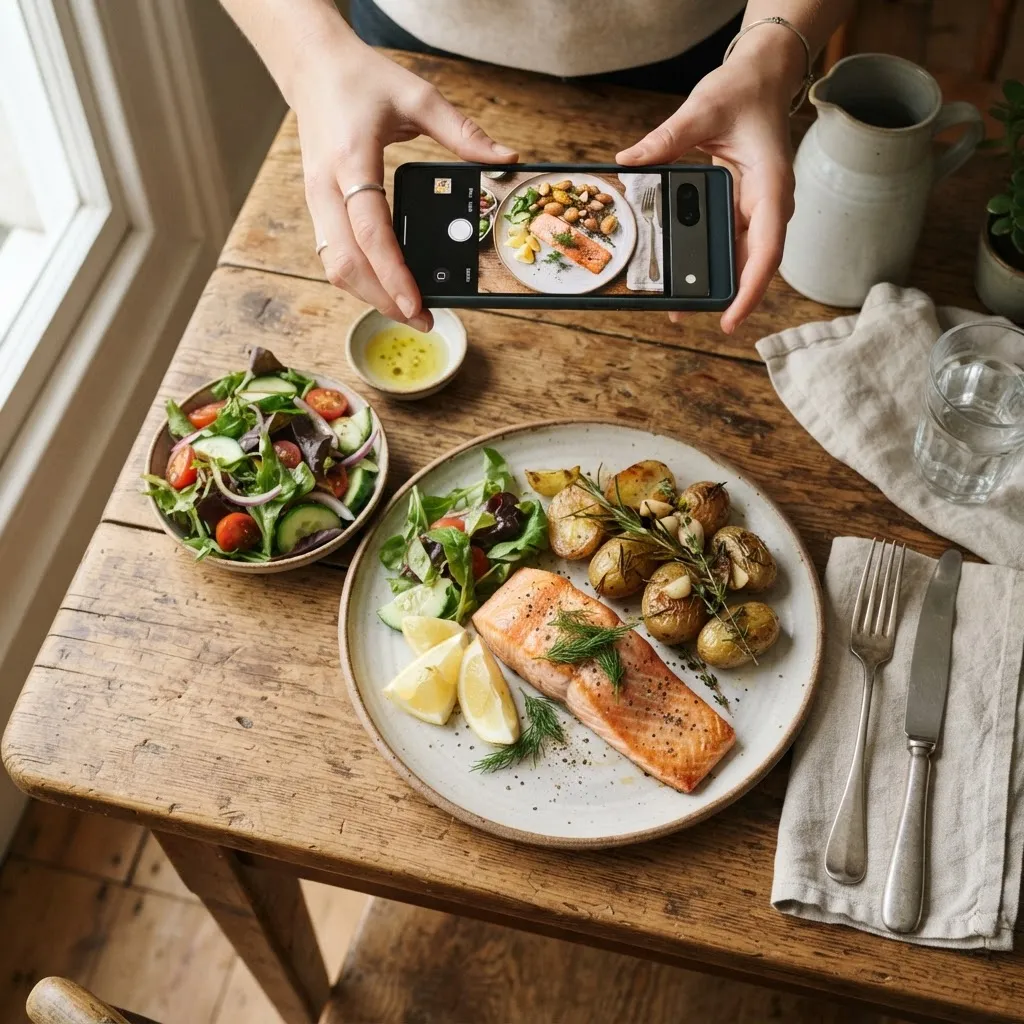
Nutrition
How to Count Calories From Photos (and Pair It With a Calorie Calculator)
How photo calorie counting really works, how accurate it is, and how to combine it with a calorie calculator so the numbers actually mean something.

Habits
17 Healthy Life Hacks That Actually Make a Difference
Simple everyday health hacks for sleep, food, movement and stress, with why each one helps, what the research says and how big the benefit really is.
Keep reading
More guides in the same topic.